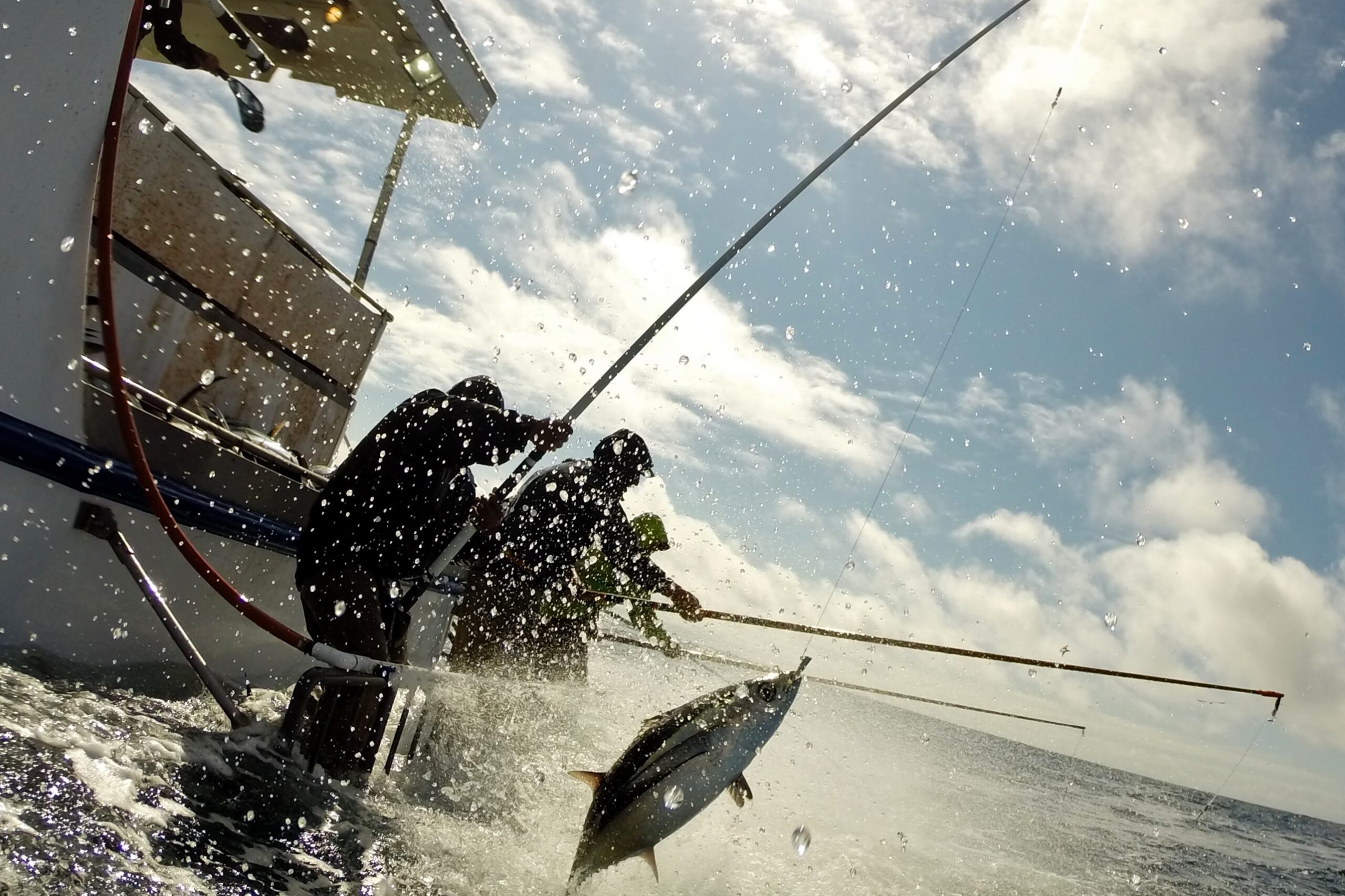


The Western Fishboat Owners Association is a non-profit association representing about 400 albacore tuna troll-vessel owners based in California, Oregon, Washington, Alaska, Hawaii, New Zealand, and British Columbia. These family-owned boats fish for albacore tuna during summer and fall, and some fish the South Pacific from January through April.
Vessels fished by members of the same families over several generations form the core of the Western Fishboat Owners Association, a group that harvests the majority of U.S. landed Pacific albacore tuna. West Coast albacore is a fish repeatedly shown to be of benefit to healthy adults by the U.S. FDA. A segment of the U.S. west coast albacore tuna has also been been certified by the Marine Stewardship Council (MSC) to be harvested in a sustainable manner by U.S. troll and baitboat vessels.
Albacore tuna are reported by the InterAmerican Tropical Tuna Commission (IATTC) and the Western and Central Pacific Fisheries Commission (WCPFC), the regional management bodies responsible for Pacific albacore management, to be fished safely and in a sustainable manner. The recognised sustainability of American albacore fisheries is important for our member-operators which harvest only a small fraction (15% -20%) of the entire North Pacific catch predominately taken in the much larger Asian fisheries.
The American consumer should look for American albacore tuna for the best sustainable products on the market; especially custom packed locally produced high quality custom products from our members in local communities along the West Coast. Additional information relating to nutrition and health aspects of albacore tuna can be found at www.albatuna.com and the resource sustainability of Pacific albacore tuna at the U.S. National Marine Fisheries Service's information page :www.nmfs.noaa.gov/fishwatch. Also a rating sheet for most consumer fish species including U.S. Troll alabcore can be seen on the Monterey Bay Aquarium Seafood Watch
About 80 percent of the vessels also fish in other winter and spring fisheries, supplying processors and consumers with salmon, crab, black cod, swordfish, shrimp, and other species.
WFOA represents hook-and-line albacore vessels in marketing and pricing of their products. The association also represents members in fisheries management issues at the state, federal, and international level. We work with the other pelagic fishermen, both commercial and recreational, and with non-governmental organizations on shared political issues.
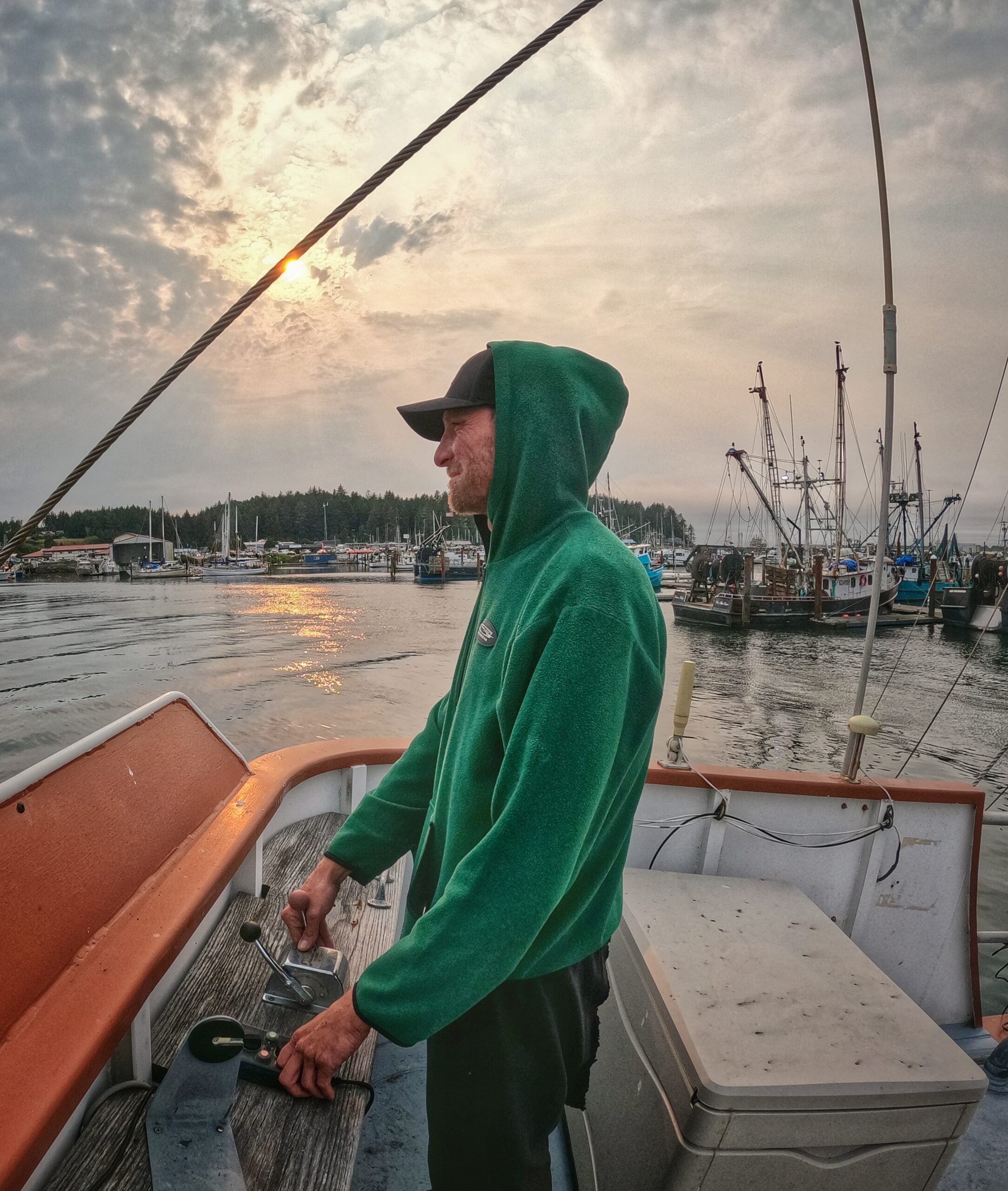
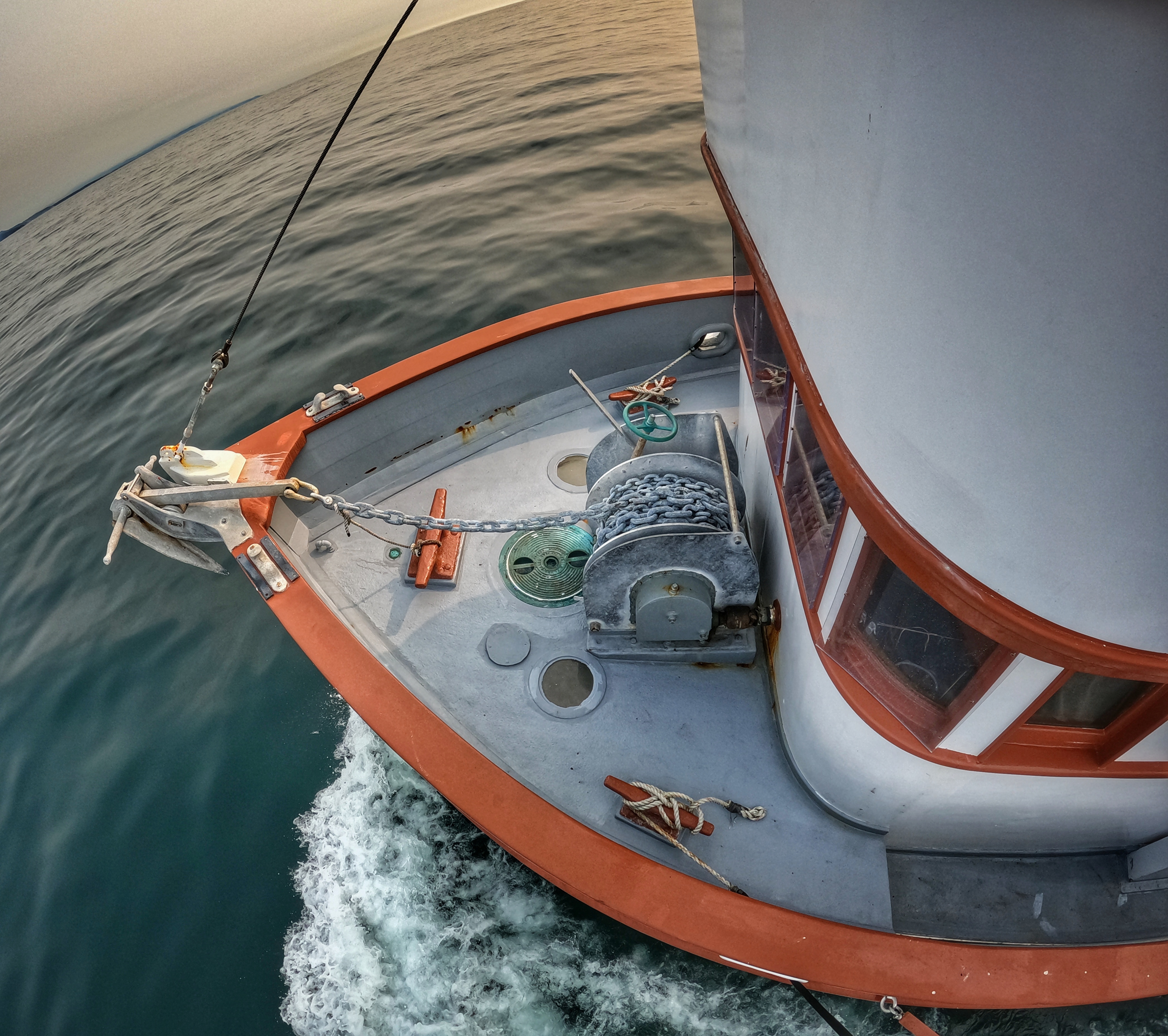
Typically our members are owner-operators of family-owned trolling vessels, most of which range in size from 35 to 120 feet in length. Most boats have a crew of two or three, including the captain. The fleet fishes in the coastal waters of North America as well as the far offshore regions on the North and South Pacific Oceans.
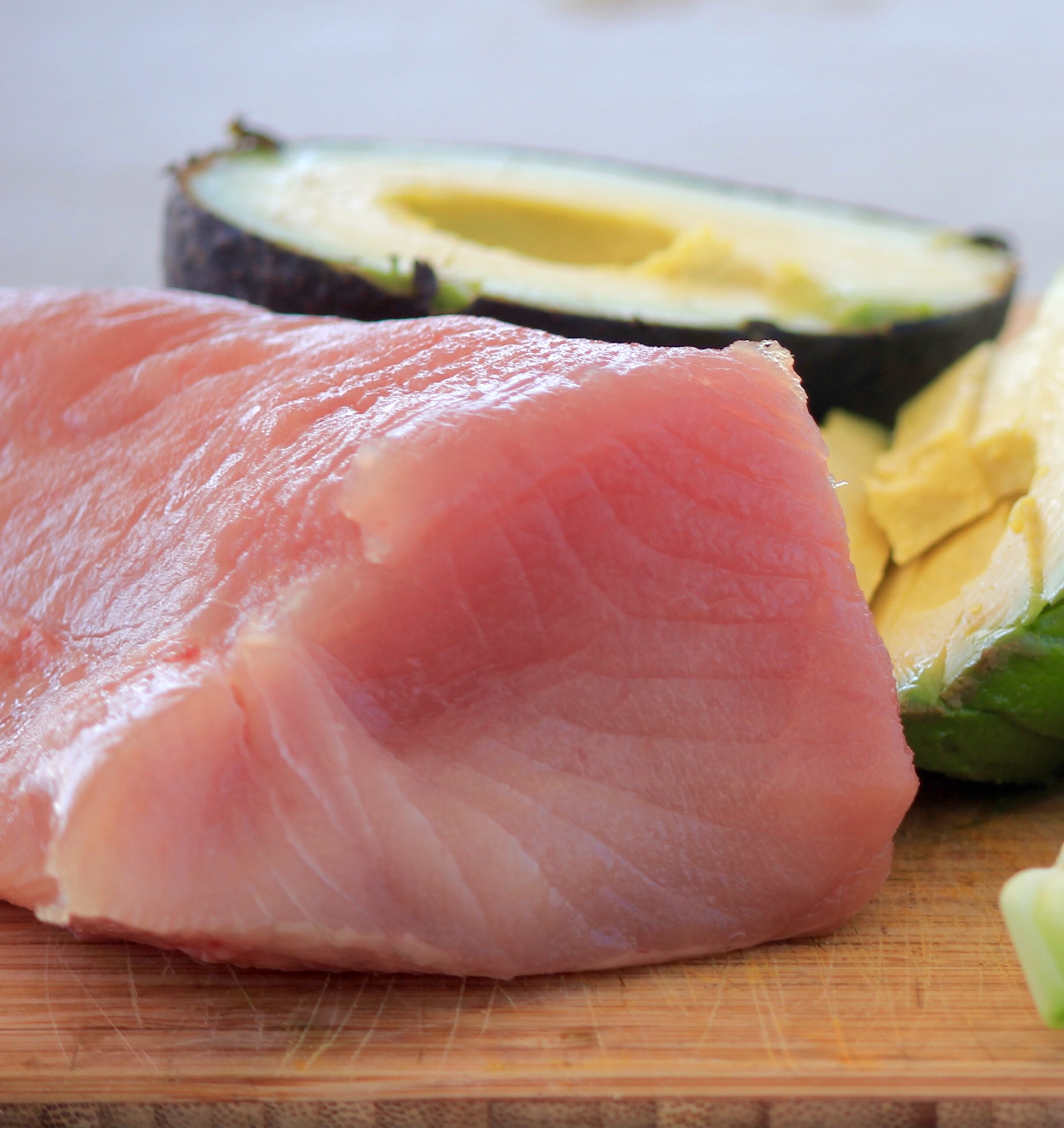
The albacore tuna caught by WFOA vessels is frozen at sea and sold mainly for canning purposes. It is the only tuna sold in the supermarkets as "white meat" tuna as opposed to "light meat" tuna. However, there is a growing market for fresh loined, steaked and sashimi-grade albacore. In the past, the U.S. tuna canners purchased about 80 percent of our catch; in the last few years that's dropped to about 30 percent, with most of the albacore shipped to Spain and elsewhere.
WFOA membership is divided into 11 districts, represented by 21 directors. Each district has at least one director, depending on the number of members who reside within the district. These directors are elected at local district meetings and serve for two years. Each district also has an alternate director to serve in the event of a regular director's absence. Twice a year all directors meet to set procedure and policy. The management then carries on the normal business of the association within the guidelines set by the by-laws and board of directors.
Regular WFOA activities and services include:
Development of Pacific highly migratory species (HMS) management strategies -- as required by the 1995 UN Straddling Stocks and HMS Agreement and the U.S. Sustainable Fisheries Act. The Association is investigating conservation and management options, both internationally and domestically, for further ensuring the long-term health of albacore tuna stocks. WFOA representatives have served on the U.S. delegation at Multilateral High Level Conference (MHLC), are actively involved with efforts to implement the new Western and Central Pacific Convention, and participate in both U.S. and Canadian efforts to design a reasonable, effective, and practical domestic fishery management system.
WFOA representatives attend legislative and regulatory hearings in all states and nations where policy affecting highly migratory species fisheries -- including the albacore fishery -- are formulated. We also work in cooperation with other fishery associations on mutual legislative and regulatory issues. We are included as advisors to the U.S. State Department fisheries negotiating team, and have participated in conferences with Mexico, Canada, and the Pacific Islands. WFOA also advises the U.S. delegation to the Inter-American Tropical Tuna Commission.
WFOA is the managing agency for the American Fishermen's Research Foundation (AFRF), the only organization of its kind that is funded by fishing and processing community contributions alone. AFRF was founded for the purpose of furthering research into the albacore fishery. AFRF programs -- carried out in cooperation from the National Marine Fisheries Service -- include compiling data though voluntary logbooks, tagging studies to determine migration and to assess stocks, fish biology, and product quality and waste avoidance.
Since 1970 WFOA has been negotiating ex-vessel prices with the major tuna canneries -- including Starkist, Bumble Bee, and Chicken of the Sea -- on behalf of our members. Our goals are to (1) obtain equitable compensation for fishermen who work in often extreme conditions to deliver high-quality tuna to consumers through the markets, and (2) to create as much stability in the albacore fishery as possible. We also pursue "alternate" markets to make fresh-frozen albacore available to restaurants and the public at large. Check out albatuna.com for more information.
Once a year, generally in conjunction with the spring directors' meeting, the general membership convention is held. The event is lasts for three or four days with seminars, displays, first aid, CPR training, etc., as well as a general membership meeting and luncheon. In recent years the convention has been held in Reno, Las Vegas, Seattle, Hawaii, Laughlin, and Astoria.